


The 2026 Minnesota legislative session has wrapped up at the Capitol.
It was a session shaped by divided government. With a tied House, a one-seat Senate majority and an election looming in November, every bill needed bipartisan agreement to move. Much of the Legislature's attention went to a supplemental budget, funding for Hennepin County Medical Center, tax conformity and a capital investment package, leaving less room for major policy changes elsewhere.
Even so, Minnesota's electric cooperatives made important progress on the issues that matter most to members. The session delivered a meaningful step forward on nuclear energy with the help of the newly formed Minnesota Nuclear Energy Alliance led by Minnesota Rural Electric Association (MREA). The Alliance brings together more than 60 organizations spanning utilities, labor, agriculture, business and environmental groups, and its broad reach helped move nuclear into the mainstream of Minnesota's energy conversation.
Lawmakers approved a state nuclear energy study, the most significant movement on the issue since Minnesota's nuclear moratorium was put in place in 1994. The moratorium itself remains on the books, but the study reflects a growing recognition at the Capitol that nuclear power deserves a serious look as the state works toward its carbon-free electricity goals.
The study itself will examine the costs, benefits and tradeoffs of nuclear energy in Minnesota, including its potential role in supporting affordability, reliability and emissions reductions. Its findings will give lawmakers a stronger foundation for deciding whether to lift the moratorium next year.
Holding the line on costly new mandates
Just as important as what passed is what didn't. Several proposals introduced this session would have added new costs, new mandates or new layers of regulation onto Minnesota's electric cooperatives. None of them became law, and that outcome wasn't an accident.
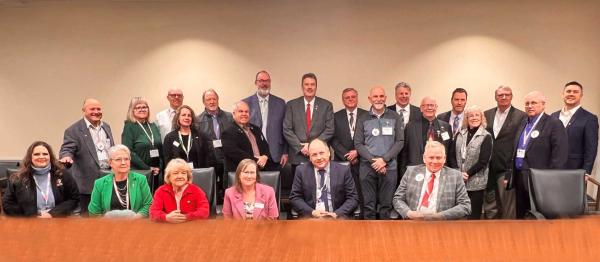 Throughout the session, BEC and other electric cooperatives, through MREA, worked to educate legislators about how mandates from St. Paul affect locally governed, not-for-profit cooperatives.
Bills touching on solar policy, affordability mandates and utility operations all stalled before reaching the finish line. Cooperative priorities like net metering reform also saw little movement, leaving important work for future sessions.
Why it matters
Cooperatives are governed by the members they serve. Decisions about your electricity are made by neighbors you can talk to, not regulators in St. Paul. One-size-fits-all mandates often raise costs, undermine that local democracy and add bureaucracy without delivering real benefits to members.
Looking ahead
The November election will reshape the Legislature, and the political landscape next session could look very different. What won't change is the focus of Minnesota's electric cooperatives: advocating for safe, affordable, reliable electricity and protecting the local, democratic governance that makes cooperatives unique.
Nuclear energy will likely return as a central conversation in 2027, alongside continued debate over mandates, affordability and the pace of Minnesota's energy transition. Net metering reform will also remain near the top of the cooperative agenda. Modernizing Minnesota’s net metering rules is essential to ensuring all members pay their fair share for the electric grid they rely on. Members who want to lend their voice can sign up for alerts at https://voicesforcooperativepower.com/.